A hydrostatic test is only as defensible as its record. If the pressure trace is incomplete, the ink ran out, or the paper chart was damaged in the field, the test may have to be repeated, and on a pipeline or a pressure vessel that means downtime and cost.
This application note explains how hydrostatic testing works, where traditional chart recorders fall short, and how a digital recorder such as the Additel 260Ex changes the way test data is captured and documented.
Hydrostatic testing, also called hydro testing, pressure tests containment systems such as pipelines, pressure vessels, and fire suppression systems. The system is filled with liquid, pressurized, and held while pressure and temperature are monitored, to verify its integrity and detect leaks.
Traditional hydrostatic testing relies on mechanical chart recorders for pressure and temperature. The technology is decades old and prone to errors and inefficiencies: ink runs out, paper gets damaged, and reading and archiving charts is a manual, time-consuming process. Data is not available in real time, and the equipment requires significant effort to operate and maintain.
A typical traditional setup includes:

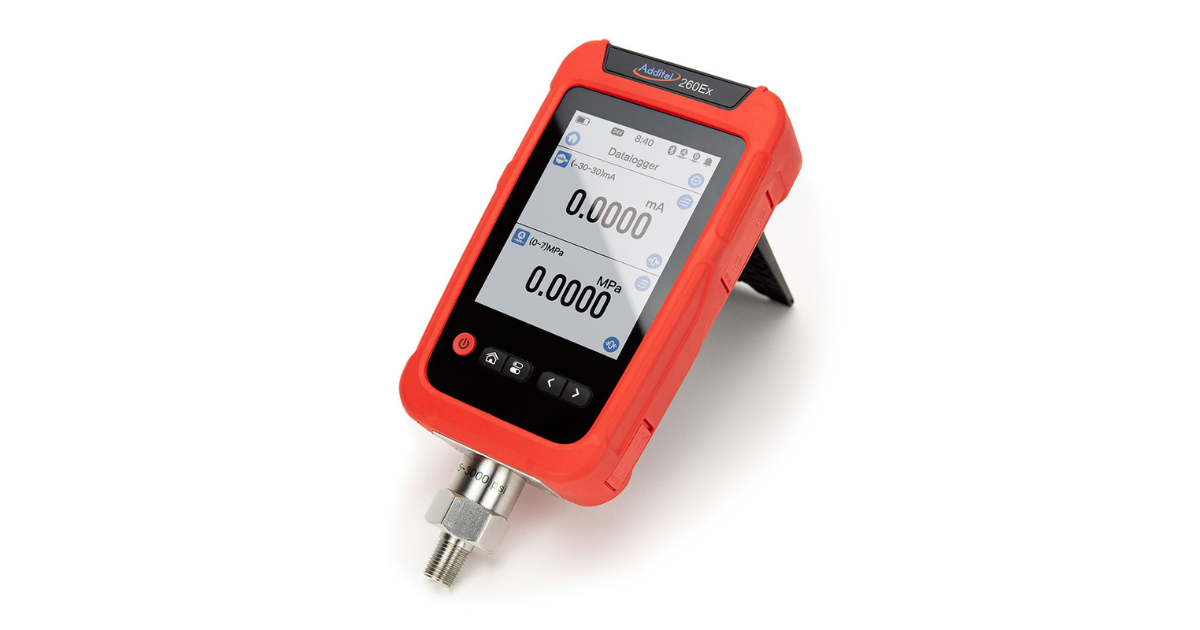
The Additel 260Ex replaces chart recorders with digital measurement. Digital pressure sensors and resistance temperature detectors (RTDs) capture the test data, and a touchscreen interface guides the procedure.


To verify the integrity of pipelines, pressure vessels, fire suppression systems, and other containment systems, and to detect leaks, by pressurizing them with liquid and monitoring pressure and temperature.
Yes. It records pressure and temperature digitally, with internal storage for up to 10,000,000 data points and real-time monitoring through the Additel Link app.
Yes. It carries intrinsically safe certifications (ATEX, IECEx, CSA, UKCA) and an IP67 rating.
Datasheets and technical documents are available on the Additel 260Ex product page and across the Additel portfolio.
If you are moving hydrostatic testing from chart recorders to digital records and want to check ranges, channels, or certifications for your application, we are happy to talk it through. Write to us at sales@avtekconsulting.com.

AV-TEK / Houston Office
4123 Hollister, Suite G
Houston, TX, 77080
AV-TEK / San Marcos Office
900 Barnes Dr. Suite 200
San Marcos, TX, 78666


